Mongolia, 2019
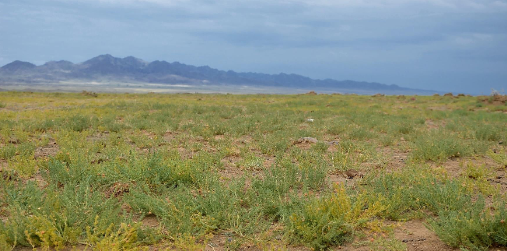
The 2019 workshop in Mongolia focused on soils of arid and semi-arid steppe environments, where climate and grazing pressures strongly influence soil development. Participants examined soils with limited horizon differentiation, salinity issues, and strong seasonal variability. The workshop emphasized challenges in classifying soils with weakly expressed features and transitional properties. Discussions centered on improving diagnostic thresholds and ensuring that WRB categories adequately represent dryland systems. There was also attention to the impact of land use, particularly pastoralism, on soil properties. The field-based nature of the workshop allowed for detailed comparison of interpretations and strengthened consistency among participants. The overall outcome highlighted the importance of adapting classification approaches to dryland conditions while maintaining global comparability.
We’ve vistied the following Reference Soil Groups: Cryosol, Solonetz, Solonchak, Andosol, Stagnosol, Phaeozem, Gypsisol, Calcisol, Luvisol, Cambisol, Arenosol, Fluvisol. The purpose of the excursion is to test whether the current edition of the WRB is adequate to classify these soils.
The chief organizer is Undrakh-Od Baatar from the Soil Division, Research Institute of Animal Husbandry and Grassland, Mongolian Academy of Sciences, and from the Soil Monitoring Professorship Team, Mongolian University of Life Sciences. She is also Vice-President of the Central Asian Soil Science Society.