World Reference Base for Soil Resources
  • Home
  • About
    • About WRB
    • History
    • Leadership
  • System
    • The WRB System
    • Reference Soil Groups
  • Events
    • Field Workshops
    • Other events
  • Resources
    • WRB Documents
    • Soil Sequences Atlas
    • Teaching Material
    • Other publications
    • Links
    • Newsletters
  • Contact
    • Discussion Forum
    • Contact

WRB Reference Soil Groups

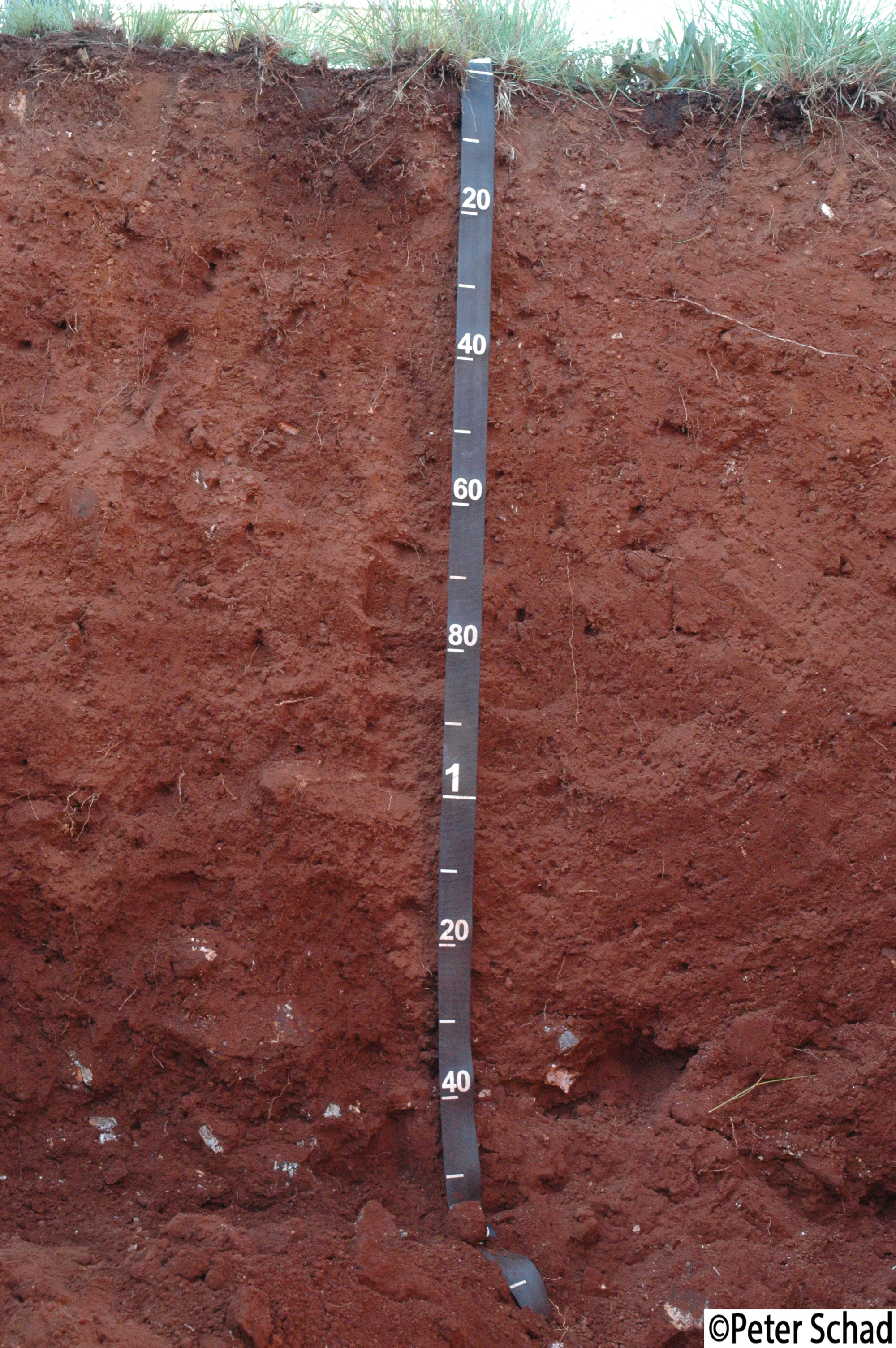
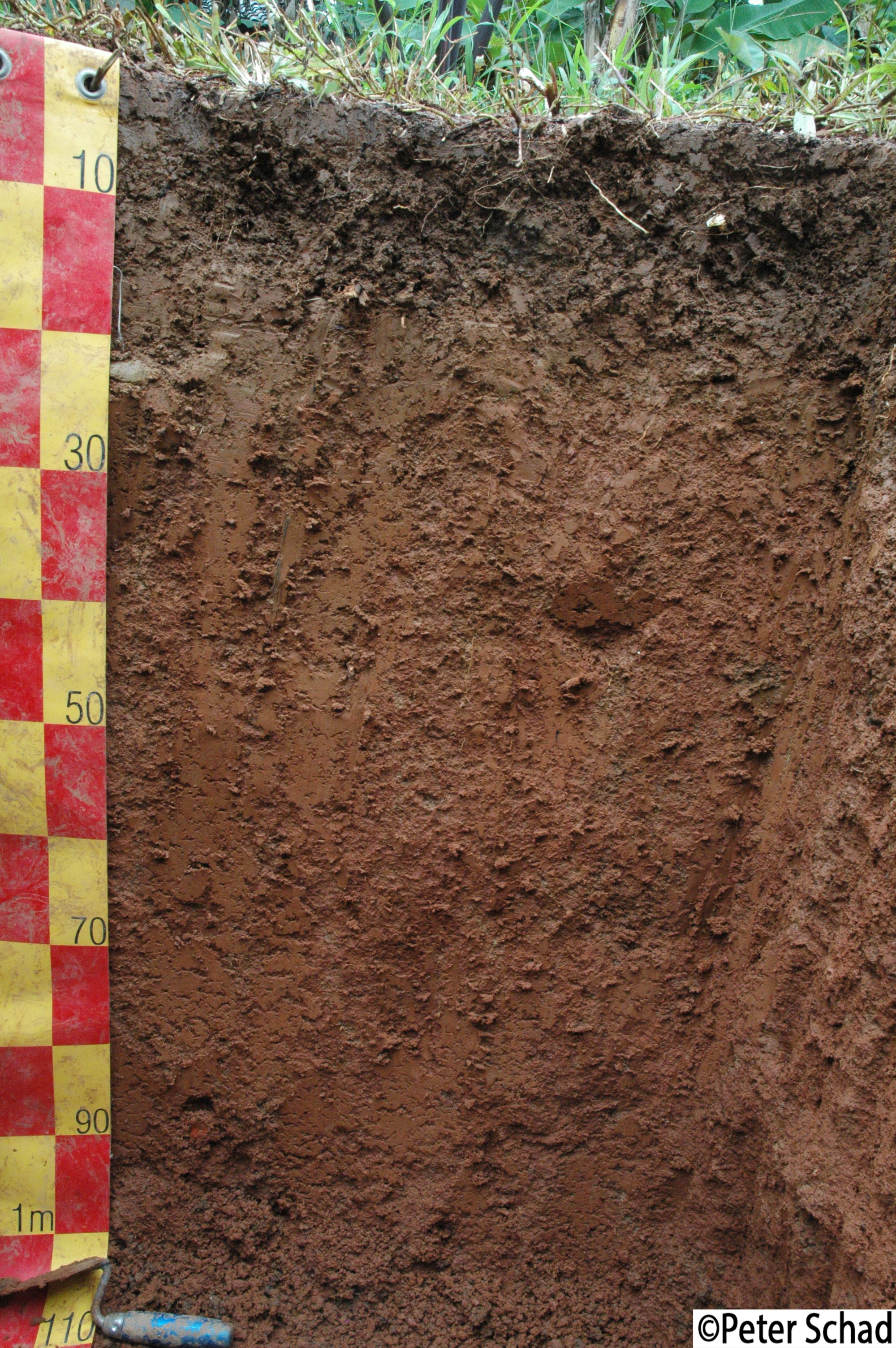
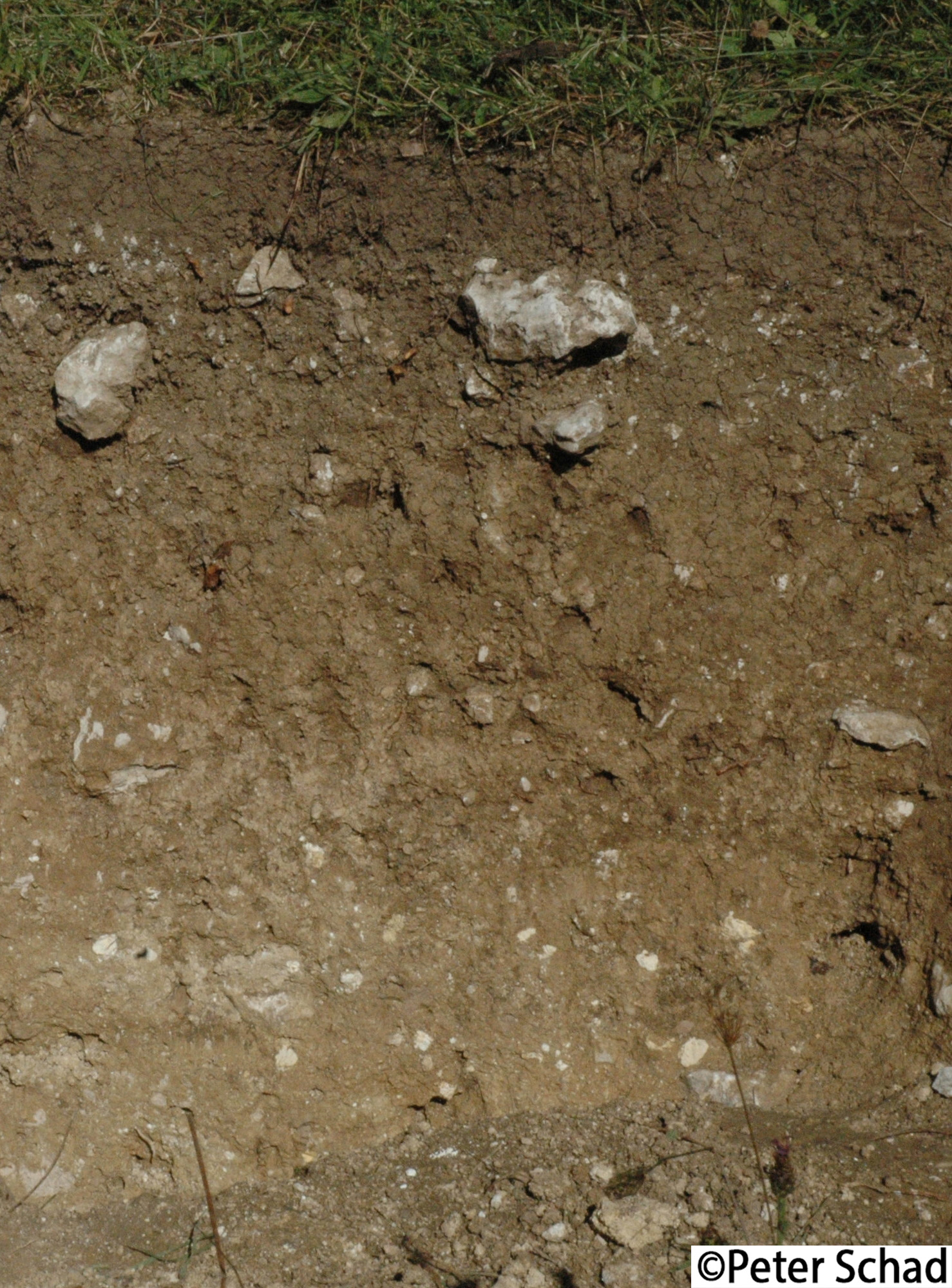
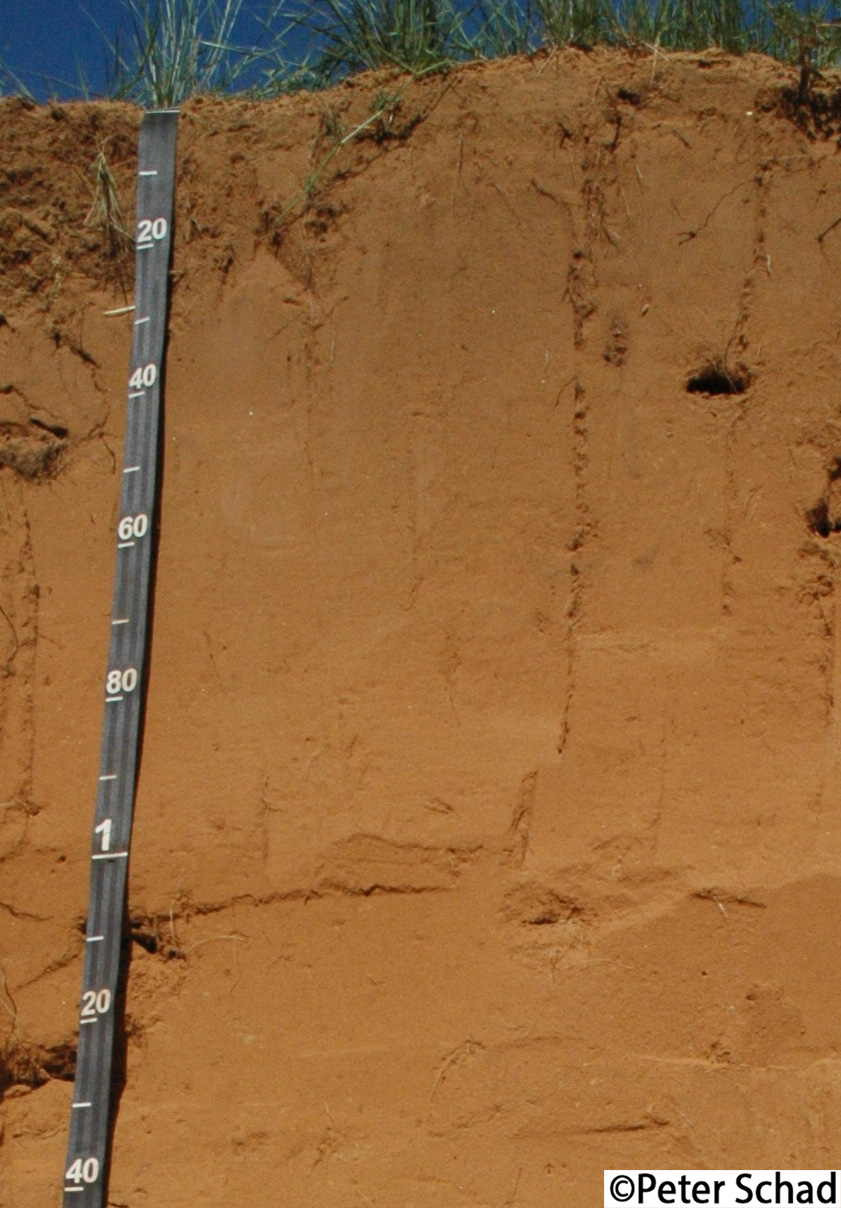
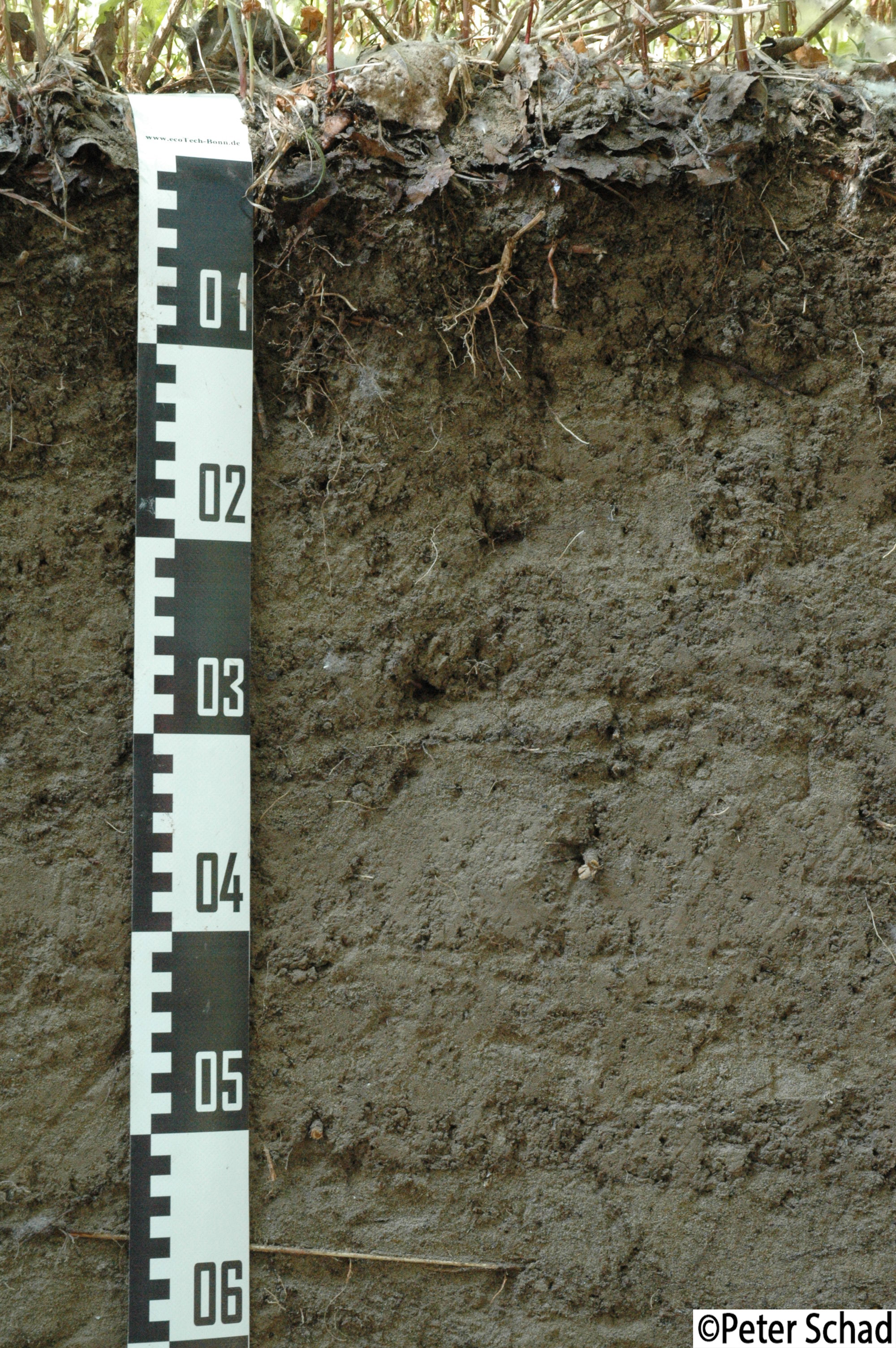
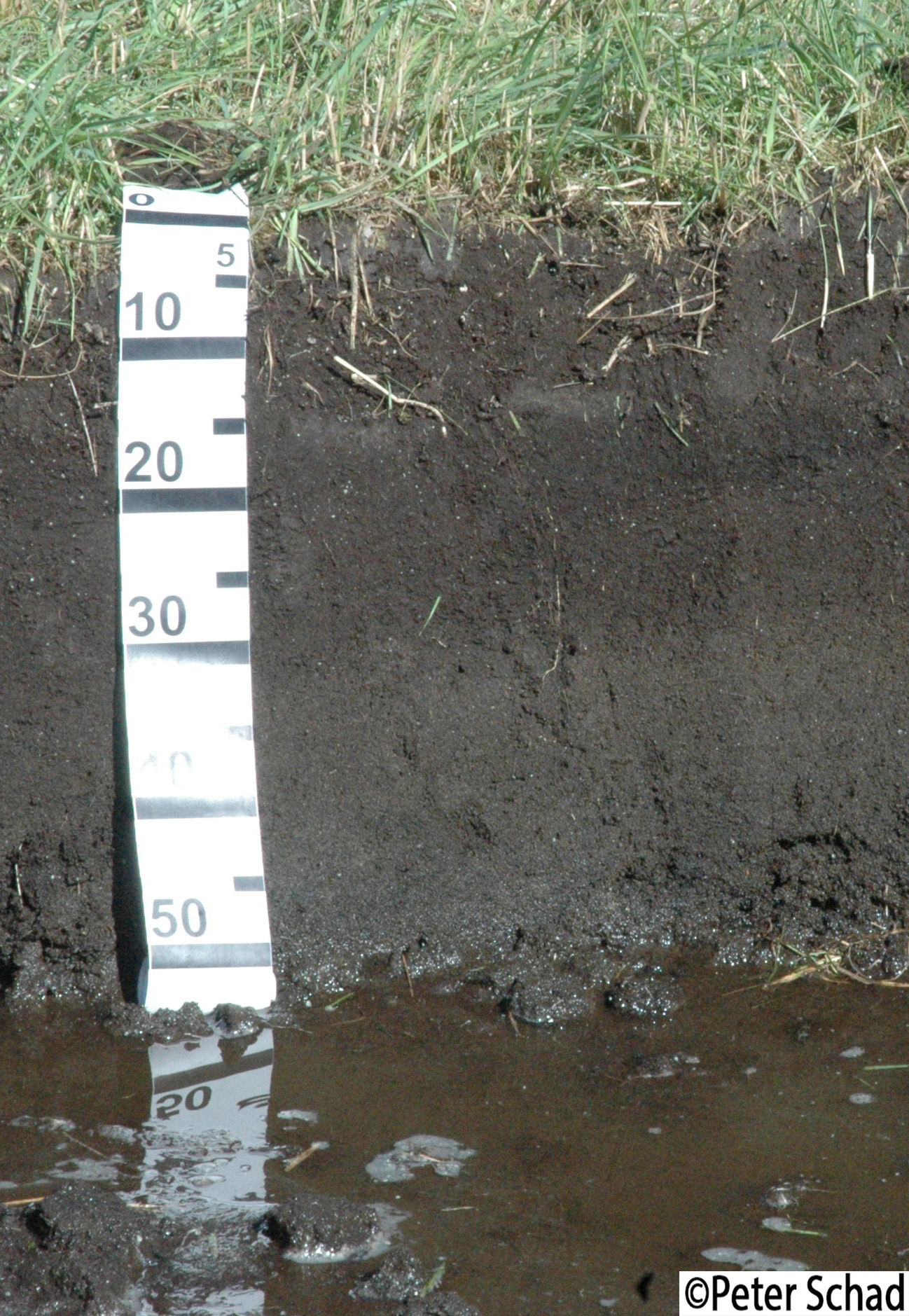
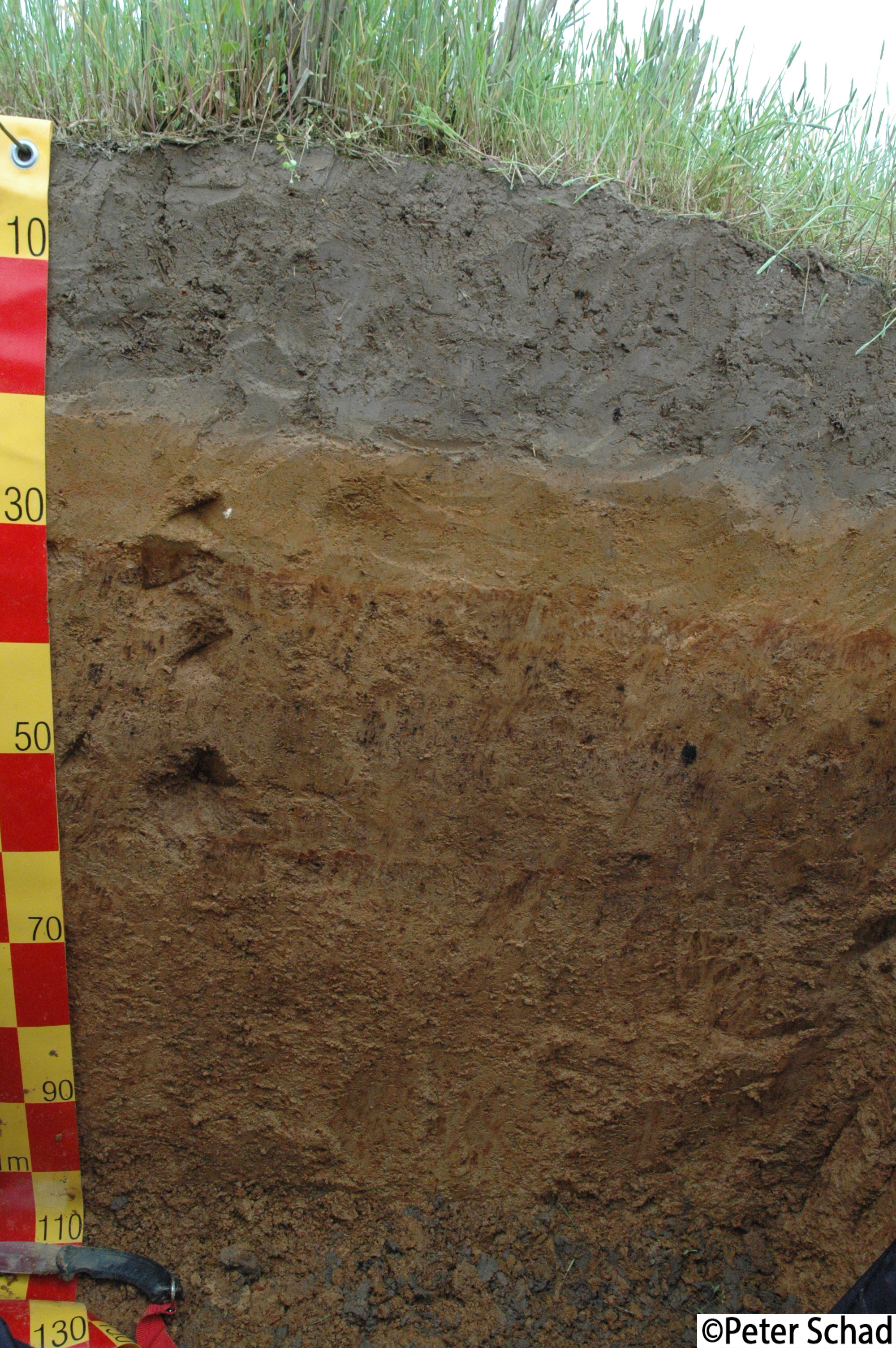
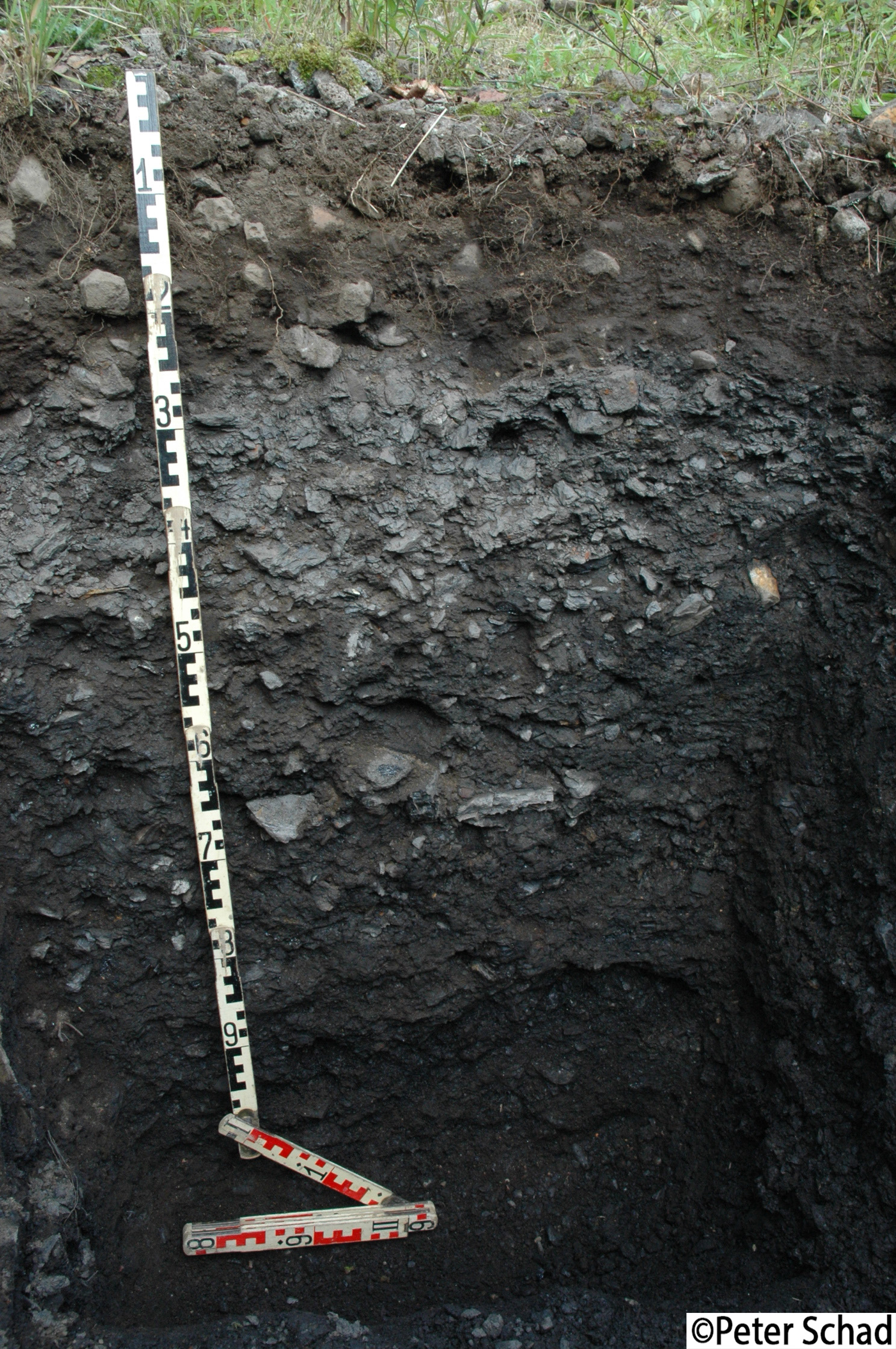
This page provides an overview of the 32 Reference Soil Groups (RSGs) of the World Reference Base for Soil Resources (WRB). Each RSG is represented by a brief description and an illustrative image. For more detailed information about each soil group, please click on the respective title or image.
Andosol
Soils with a vitric or andic horizon (slightly to moderately weathered horizons in pyroclastic deposits dominated by short-range-order minerals, notably allophane and imogolite) starting within 25…

Podzol
Soils having a spodic horizon (a dark coloured subsurface horizon with illuvial amorphous alumino-organic substances) within 200 cm from the soil surface, underlying an albic, histic, umbric or…

Plinthosol
Soils having either a petroplinthic horizon within 50 cm from the soil surface, or a plinthic horizon which either starts within 50 cm from the soil surface, or within 100 cm from the soil surface…

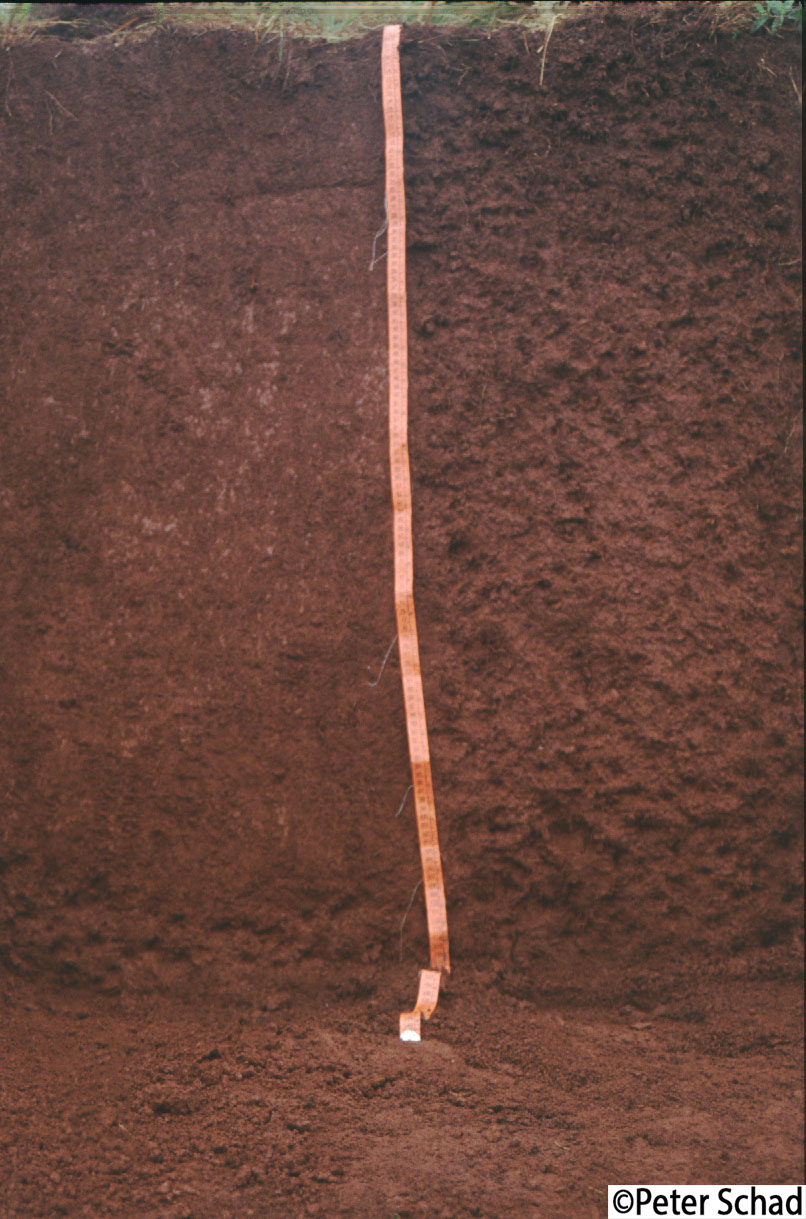
Nitisol
Soils having a nitic horizon (a horizon with pronounced nut-shaped soil structure and significant amount of active iron) within 100 cm from the soil surface, and gradual to diffuse horizon…

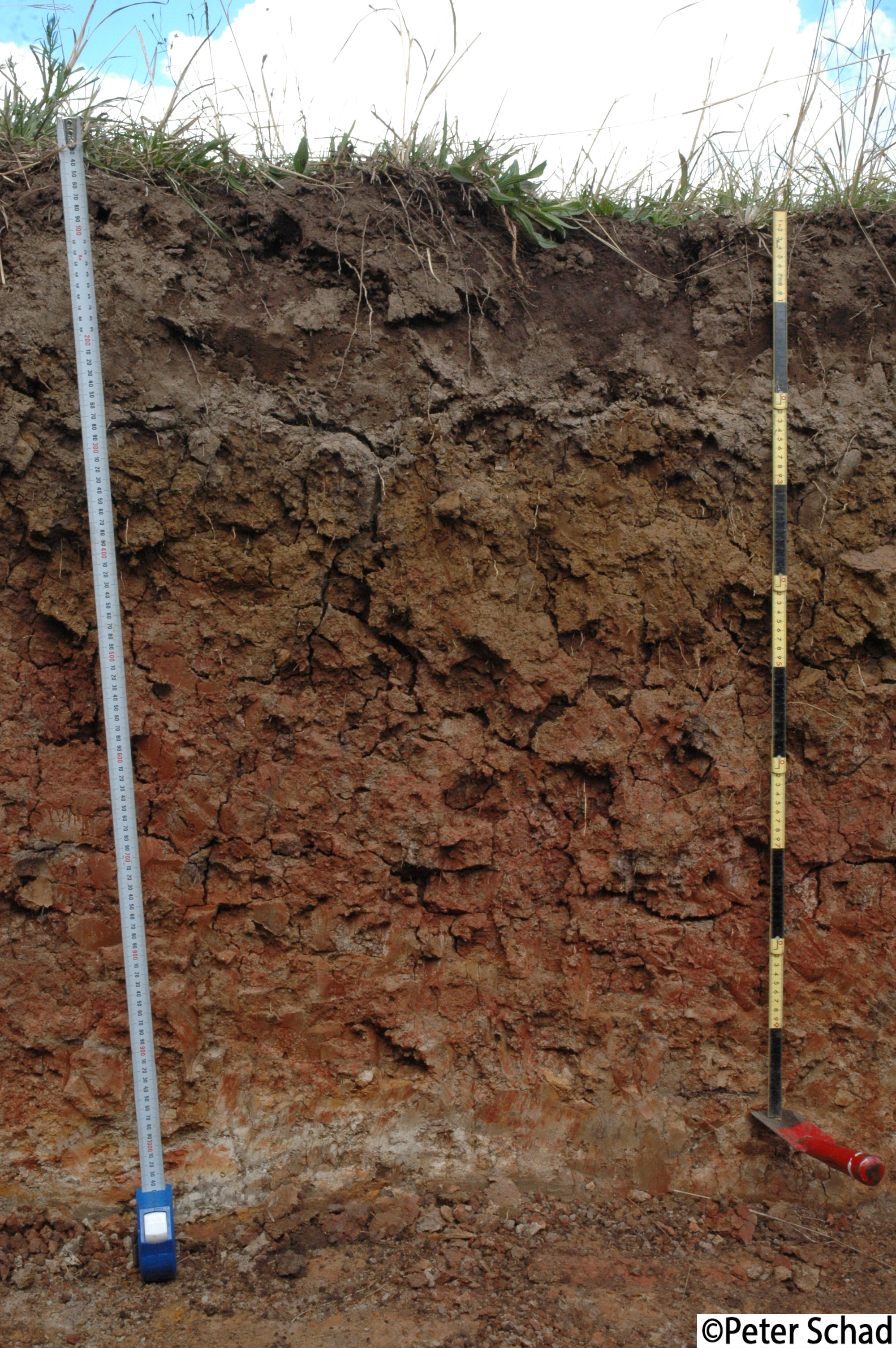
Ferralsol
Soils having a ferralic horizon (strongly weathered horizon with low-activity clays and very low amounts of weatherable minerals) between 25 and 200 cm from the soil surface. They lack a nitic…

Planosol
Soils having an eluvial horizon, the lower boundary of which is marked. within 100 cm from the soil surface, by an abrupt textural change associated with stagnic properties above that boundary. The…

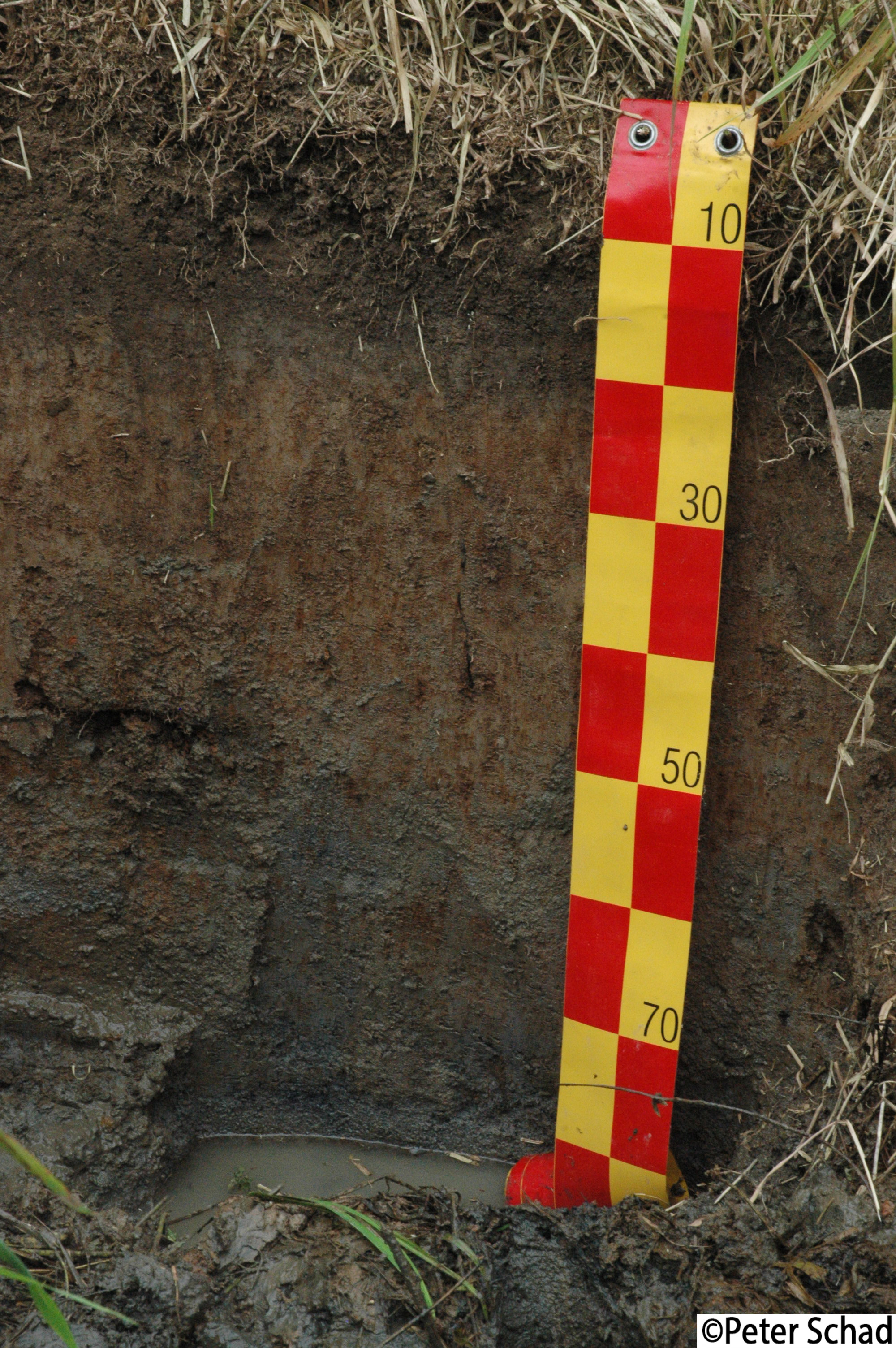
Stagnosol
Soils having within 50 cm of the soil surface reducing conditions (soil conditions with low redox potential (negative logarithm of the hydrogen potential (rH) and presence of free iron (Fe2+) on…

chernozem
Soils having a very dark mollic horizon (thick, brownish or blackish surface horizon with a significant accumulation of organic matter and high base saturation) and secondary carbonates within 50 cm…

kastanozem
Soils having a mollic horizon (deep, dark coloured surface horizon with a significant accumulation of organic matter and high base saturation) and accumulation of secondary calcium carbonate within…

Phaeozem
Soils having

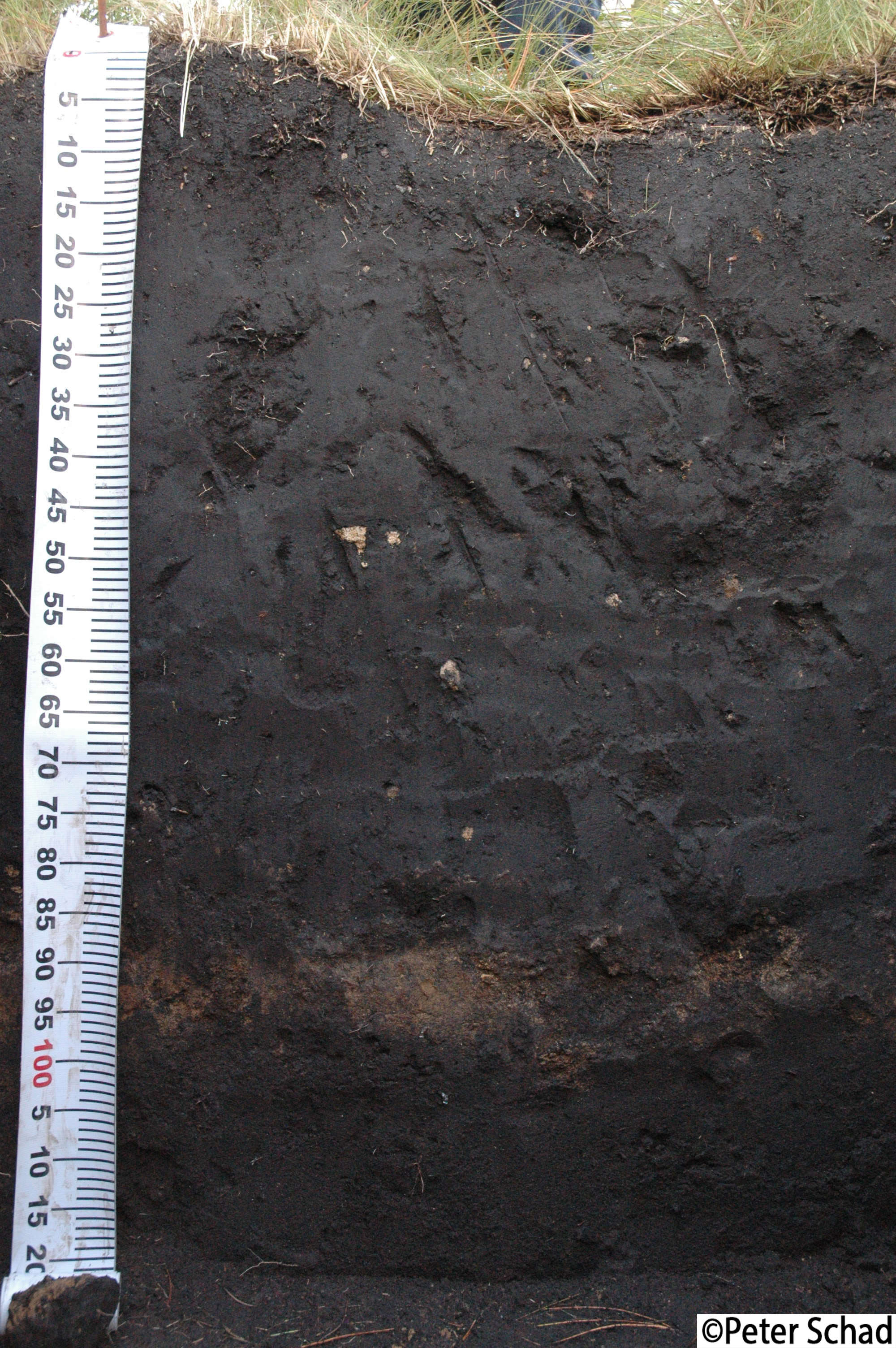
Histosol
Soils having a histic or folic horizon (wet or dry organic horizons, respectively)

Umbrisol
Soils having an umbric horizon (deep, brownish or blackish surface horizon with a significant accumulation of organic matter and low base saturation). They have no diagnostic horizons other than an…

Durisol
Soils having a (petro-)duric horizon (horizon with accumulation of secondary silica) within 100 cm from the soil surface.

Gypsisol
Soils having a (petro-)gypsic horizon (horizon with accumulation of secondary gypsum) or 15 percent or more gypsum accumulated under wet conditions. They have no diagnostic horizons other than an…

Calcisol
Soils having a (petro-)calcic horizon (horizon with accumulation of secondary calcium carbonates). In addition, they have no diagnostic horizons other than an ochric or cambic horizon, a calcareous…

Retisol
A Retisol is a moderately developed soil characterized by a distinctive pattern of clay redistribution that creates a “net-like” (reticulate) structure in the subsoil.

Acrisol
Soils having an argic horizon (a subsurface horizon with distinct higher clay content than the overlying horizon), which has a cation exchange capacity of less than 24 cmolc per kg in some part…

Lixisol
Soils having an argic horizon (a subsurface horizon with a distinct higher clay content than the overlying horizon), which has a cation exchange capacity of less than 24 cmolc per kg in some part…

Alisol
Soils having an argic horizon (a subsurface horizon with distinct higher clay content than the overlying horizon), which has a cation exchange capacity of 24 cmolc per kg clay or more, and which…

Luvisol
Soils having an argic horizon (a subsurface horizon with a distinct higher clay content than the overlying horizon) with a cation exchange capacity equal to or more than 24 cmolc per kg clay…

Cambisol
Soils having either a cambic horizon (a horizon showing evidence of alteration with respect to the underlying material), or a mollic horizon overlying a subsoil, which has a base saturation of less…

Anthrosol
Soils having either a hortic, irragric, plaggic or terric horizon 50 cm or more thick, or an anthraquic horizon and an underlying hydragric horizon with a combined thickness of 50 cm or more.

Arenosol
Soils with a loamy sand or coarser texture either to a depth of at least 100 cm from the soil surface, or to a (petro-)plinthic or salic horizon between 50 and 100 cm from the soil surface. They…

Fluvisol
Soils having fluvic soil material starting within 25 cm from the soil surface and continuing to a depth of at least 50 cm from the soil surface. They have no diagnostic horizons other than a histic…

Regosol
A Regosol is a very weakly developed soil, typically formed from loose, unconsolidated material. It’s one of the simplest soil types in terms of profile development.

Technosol
Soils having properties and a pedogenesis dominated by their technic origin. They contain 20 % or more artefacts(something in the soil recognizably made or extracted from the earth by humans), or…

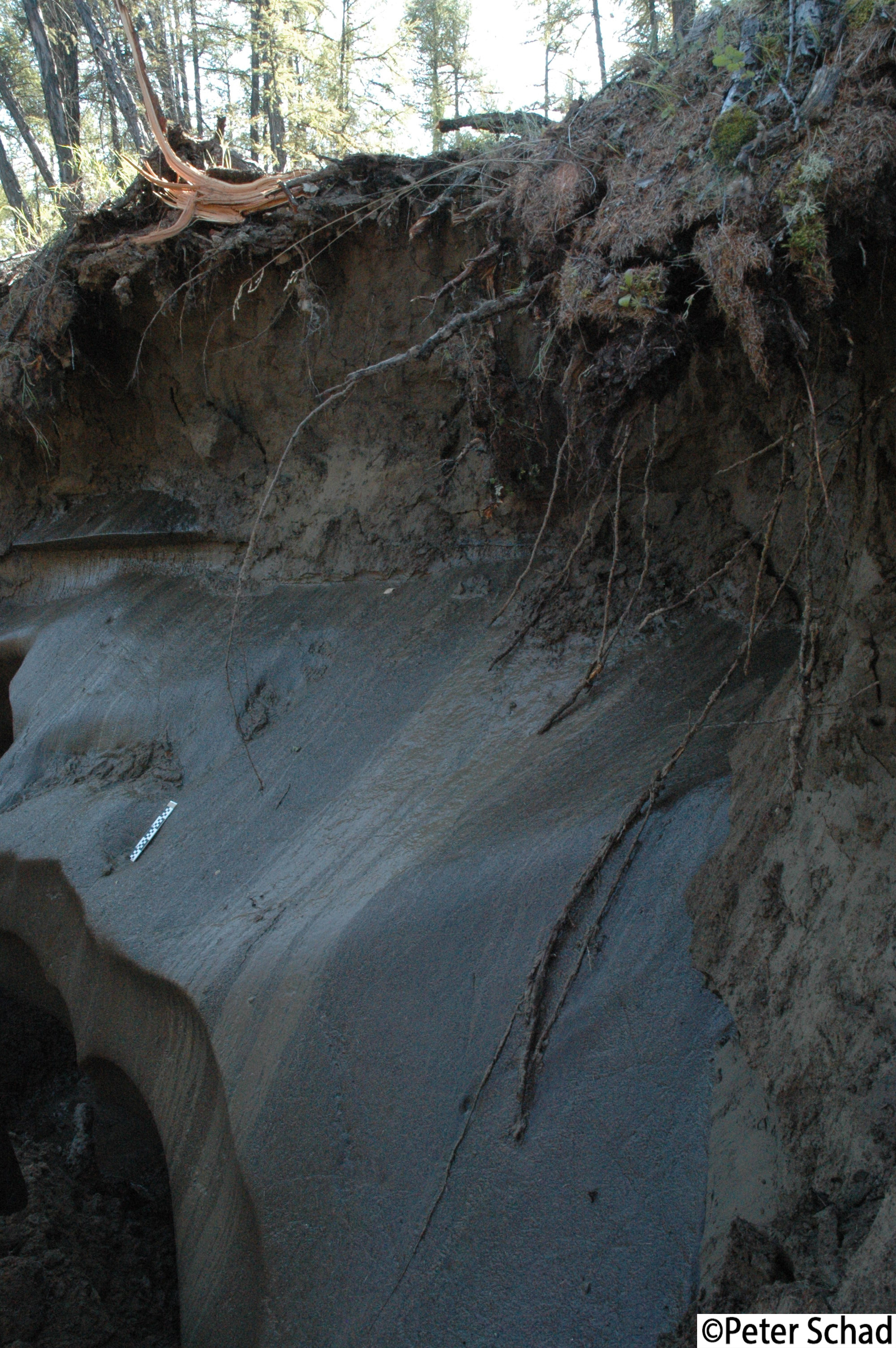
Cryosol
Soils having one or more cryic horizons (horizon with evidence of being perennially frozen) within 100 cm from the soil surface.

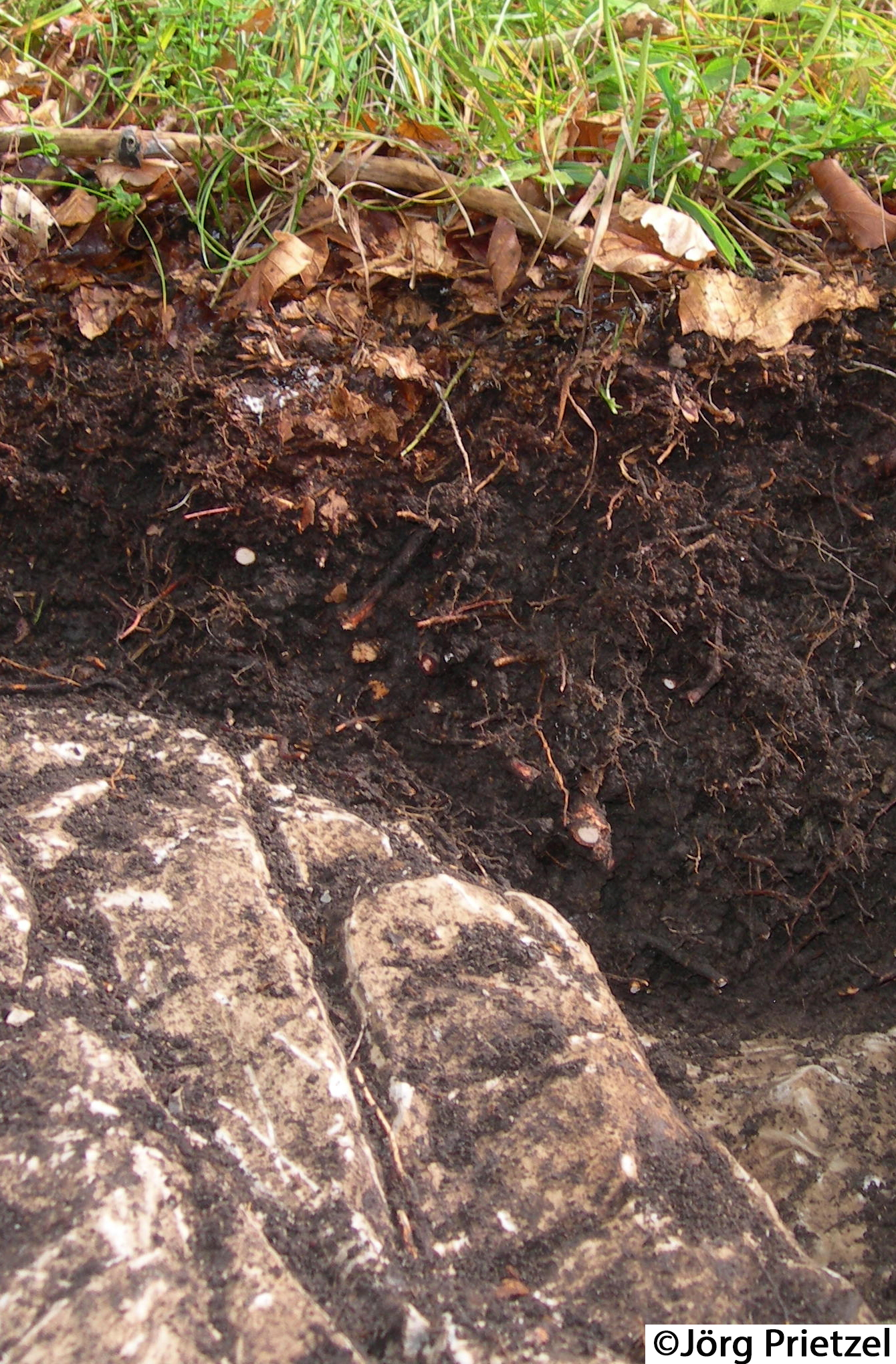
Leptosol
Soils which are either limited in depth by continuous hard rock within 25 cm from the soil surface, or overly mayerial with a calcium carbonate equivalent of more than 40 percent within 25 cm from…

Solonetz
Soils having a natric horizon (a subsurface horizon with distinct higher clay content than the overlying horizon and more than 15% exchangeable sodium) within 100 cm from the soil surface.

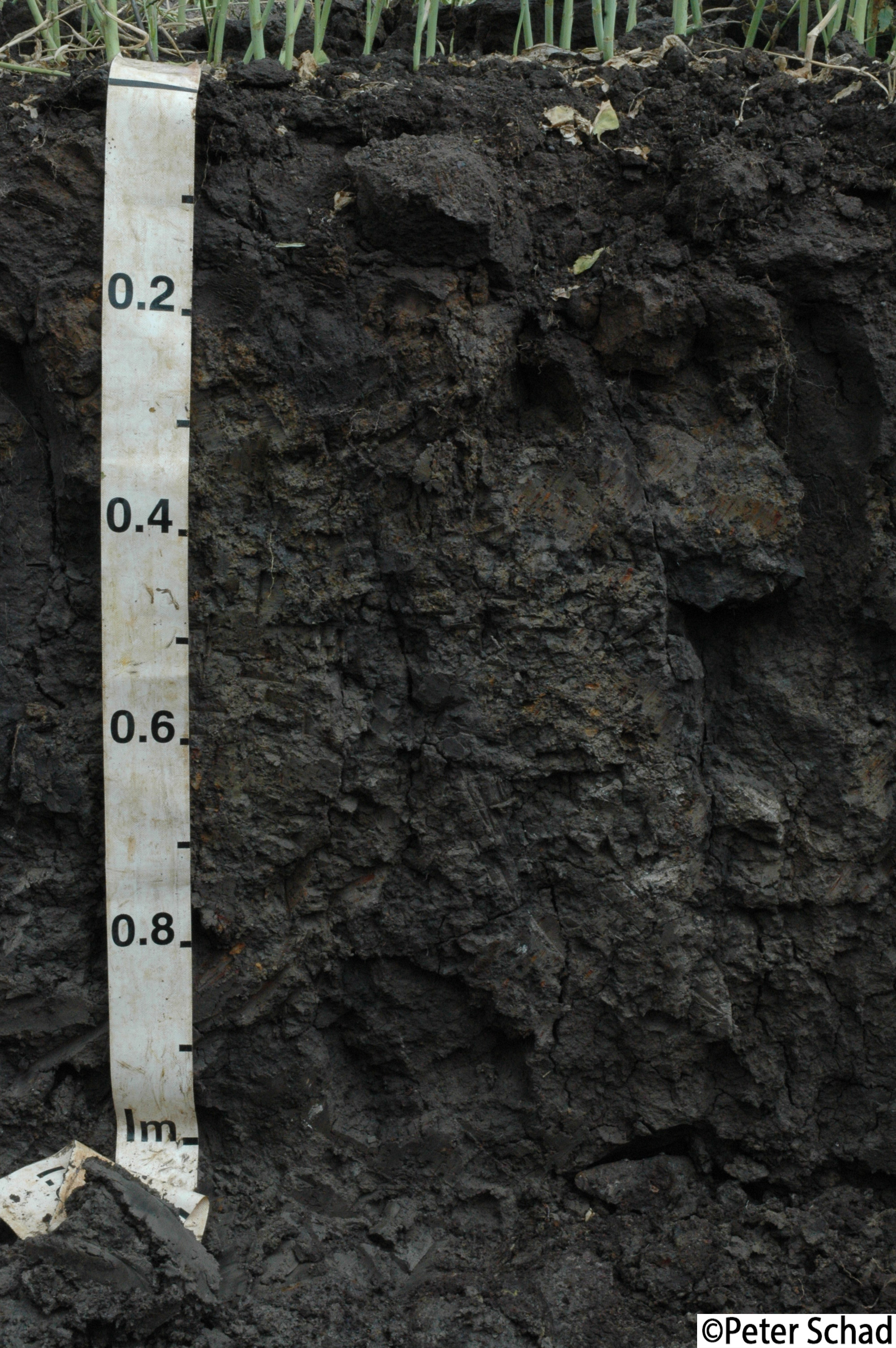
Vertisol
Soils having a vertic horizon (a clayey subsurface horizon with polished and grooved ped surfaces (“slickensides”) or wedge-shaped or parallelepiped structural aggregates) within 100 cm from the…

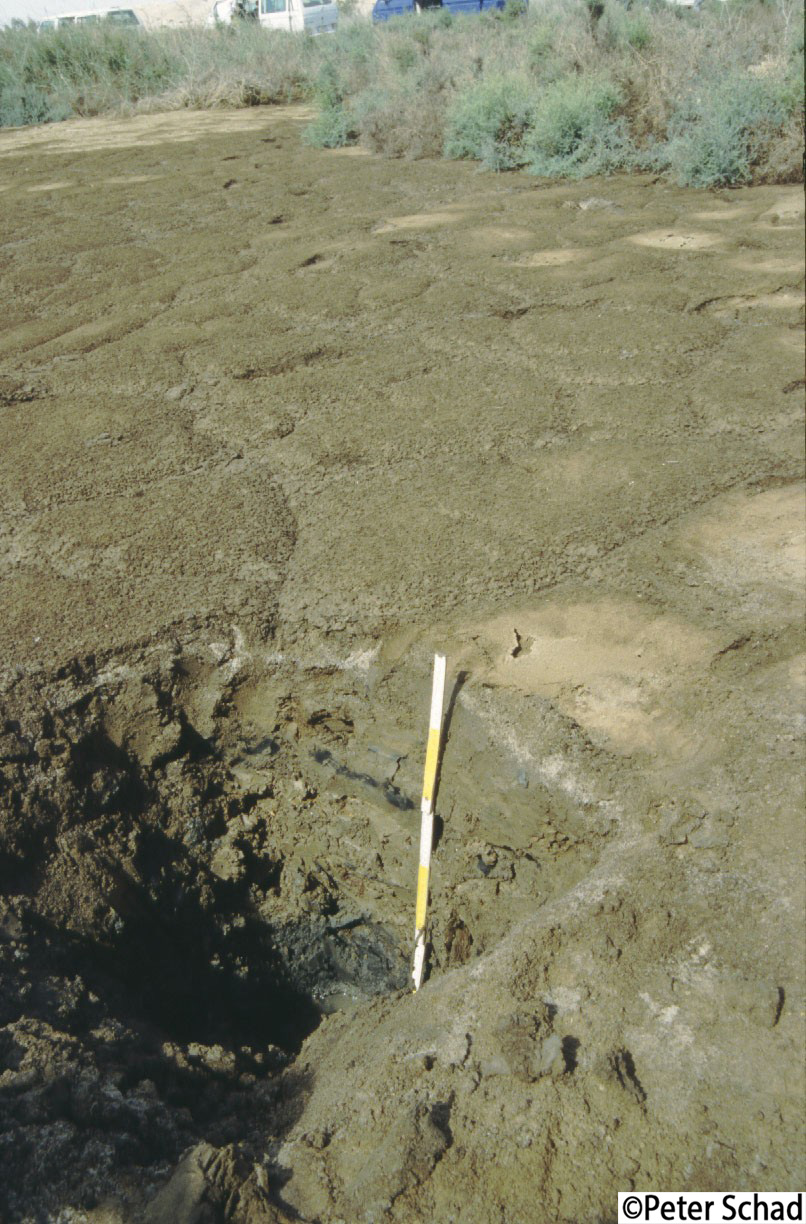
Solonchak
Soils having a salic horizon (horizon with accumulation of salts more soluble than gypsum) within 50 cm of the soil surface. They have no diagnostic horizons other than a histic, mollic, ochric…

Gleysol
Soils having gleyic properties (properties associated with prolonged wetness) within 50 cm from the soil surface. They have no diagnostic horizons other than an anthraquic, histic, mollic, ochric…
No matching items
    • IUSS Working Group - World Reference Base