Poland, 2011
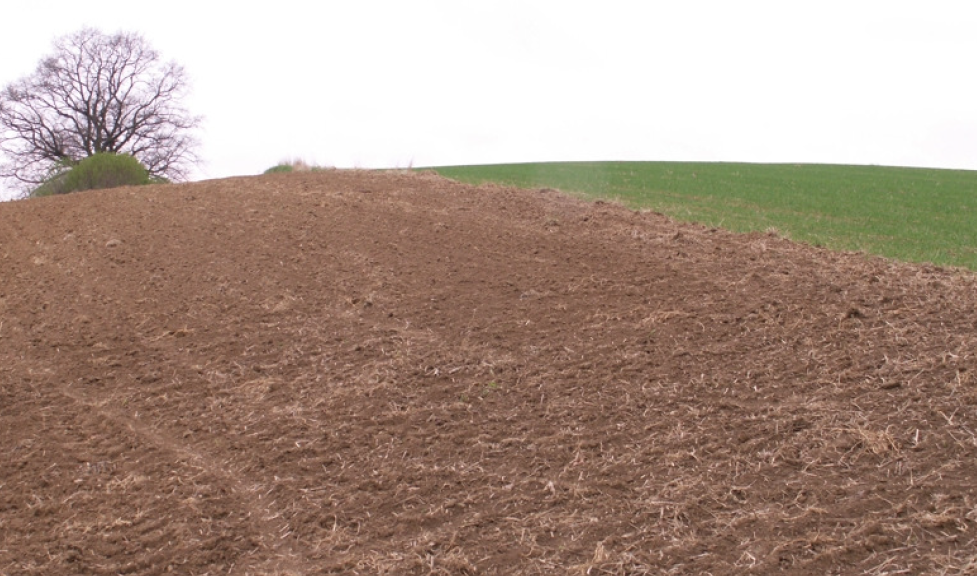
The Poland workshop focused on temperate soils influenced by glacial deposits and agricultural use. Participants examined Luvisols, Cambisols, and Podzols, working on refining diagnostic criteria and improving consistency in classification. The community emphasized the importance of clear field descriptions and the differentiation of similar soil groups. Discussions also addressed the impact of land use on soil properties and classification. The workshop strengthened collaboration among European soil scientists and contributed to ongoing refinement of WRB.
The soil variability in the area of Lower Silesia is a reflection of geological, topographical and climatic diversity of the region. According to classification of soil regions of Europe [Soil Atlas of Europe, 2005], three soil zones are distinguished in the Lower Silesia Fig. 12): zone/region 18.4 - Cambisols - Luvisols (south part - the Sudetes Mountain), region 52.2 - Luvisols - Gleysols (central, the largest part of Lower Silesia), and region 50.1 - Podzols - Gleysols (lowlands in the northern part of the region).